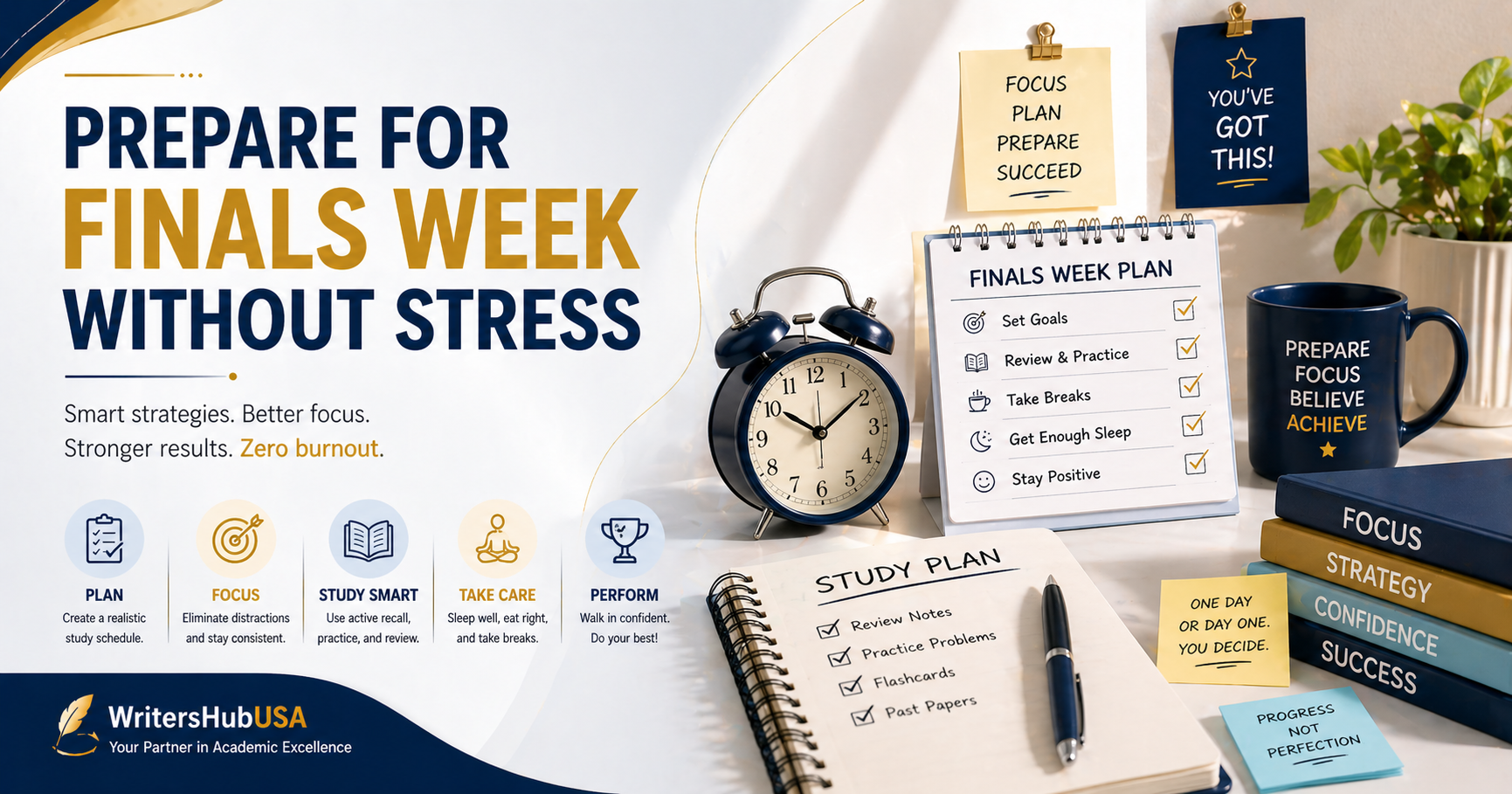
The end of the semester often brings a wave of anxiety, as the pressure of final exams mounts. But what if you could approach this critical period with confidence and calm, rather than stress and cramming?
Finals week is a universal challenge in academic life, often characterized by sleepless nights, information overload, and mounting stress that can ironically hinder performance. The common image of a student hunched over textbooks, fueled by caffeine, is not a recipe for success. Proactive, strategic preparation is the key to navigating this period effectively, ensuring that your hard work throughout the semester translates into high marks.
The secret isn't necessarily to study harder, but to study smarter. By adopting evidence-based techniques and prioritizing your well-being, you can transform your approach to exams. This guide provides a comprehensive roadmap to help you prepare for finals week in a structured, stress-free manner, allowing you to walk into each exam feeling prepared and confident.
Phase 1: Strategic Planning and Organization
Effective preparation begins long before finals week. Start by creating a master calendar that includes every exam date, assignment deadline, and major topic you need to cover. Break down large subjects into smaller, digestible modules and allocate specific days and times for each one. This act of externalizing your plan reduces mental clutter and provides a clear path forward, making the overall task feel less daunting.
Designate a specific, organized study space that is free from distractions. Your environment has a significant impact on your ability to focus. To maintain concentration during study blocks, use a time-management method like the Pomodoro Technique: commit to 25 minutes of intense, uninterrupted work, followed by a 5-minute break. This prevents mental fatigue and helps maintain high-quality focus over longer periods.
The Golden Rule of Planning: Failing to plan is planning to fail. Your study calendar is your most powerful weapon against last-minute panic and the inefficiencies of cramming.
Phase 2: Effective Study Techniques
Move beyond passive learning methods like re-reading notes or textbooks. True mastery comes from active recall, the process of forcing your brain to retrieve information. Implement techniques such as creating flashcards, working through practice problems from memory, or using the Feynman Technique—explaining a concept in the simplest terms possible as if you were teaching it to a novice. This approach quickly highlights what you truly know versus what you only recognize.
Consider forming a structured study group. Collaborating with peers can expose you to different perspectives, clarify complex topics, and provide a support system. To ensure productivity, set a clear agenda for each session, assigning specific topics or problems to tackle. A well-run group moves beyond socializing and becomes a powerful tool for reinforcing knowledge and building confidence.
Phase 3: Prioritizing Health and Well-being
You cannot perform at your cognitive peak without adequate rest. A tired brain struggles to encode and recall information. Prioritize getting 7-9 hours of quality sleep per night, as this is when the brain consolidates memories and processes the day's learning. Sacrificing sleep for extra hours of low-quality study is one of the most counterproductive trade-offs a student can make.
Your physical health is just as crucial. Maintain a diet of balanced meals, focusing on brain-boosting foods like fruits, vegetables, and lean proteins rather than sugary snacks or excessive caffeine. Stay hydrated and incorporate short bursts of physical activity into your day, such as a brisk walk or stretching. Exercise is a potent stress-reducer and has been shown to improve cognitive function and mental clarity.
"I used to pull all-nighters fueled by caffeine, and my grades showed it. This semester, I focused on a schedule and got enough sleep. It was a game-changer; I felt calmer and my recall during exams was so much better."
Our Simple Process for Academic Relief
Phase 4: The Day Before and Day Of
The day before an exam should be dedicated to light review, not intense cramming. Trust the preparation you've already done. Do a final, quick pass over your summary sheets, key concepts, or flashcards. Prepare everything you need for the exam—pencils, calculators, student ID—confirm the time and location, and then do something relaxing to take your mind off the pressure. A good night's sleep is your top priority.
Maintain Calm: Avoid frantic, last-minute cramming, which often increases anxiety while offering little real retention. Trust your preparation and focus on achieving a calm, clear mental state before the exam.
Secure Your Grades This Semester
Don't let pending assignments derail your finals preparation. Delegate your papers to our professional writers and focus on what matters most.