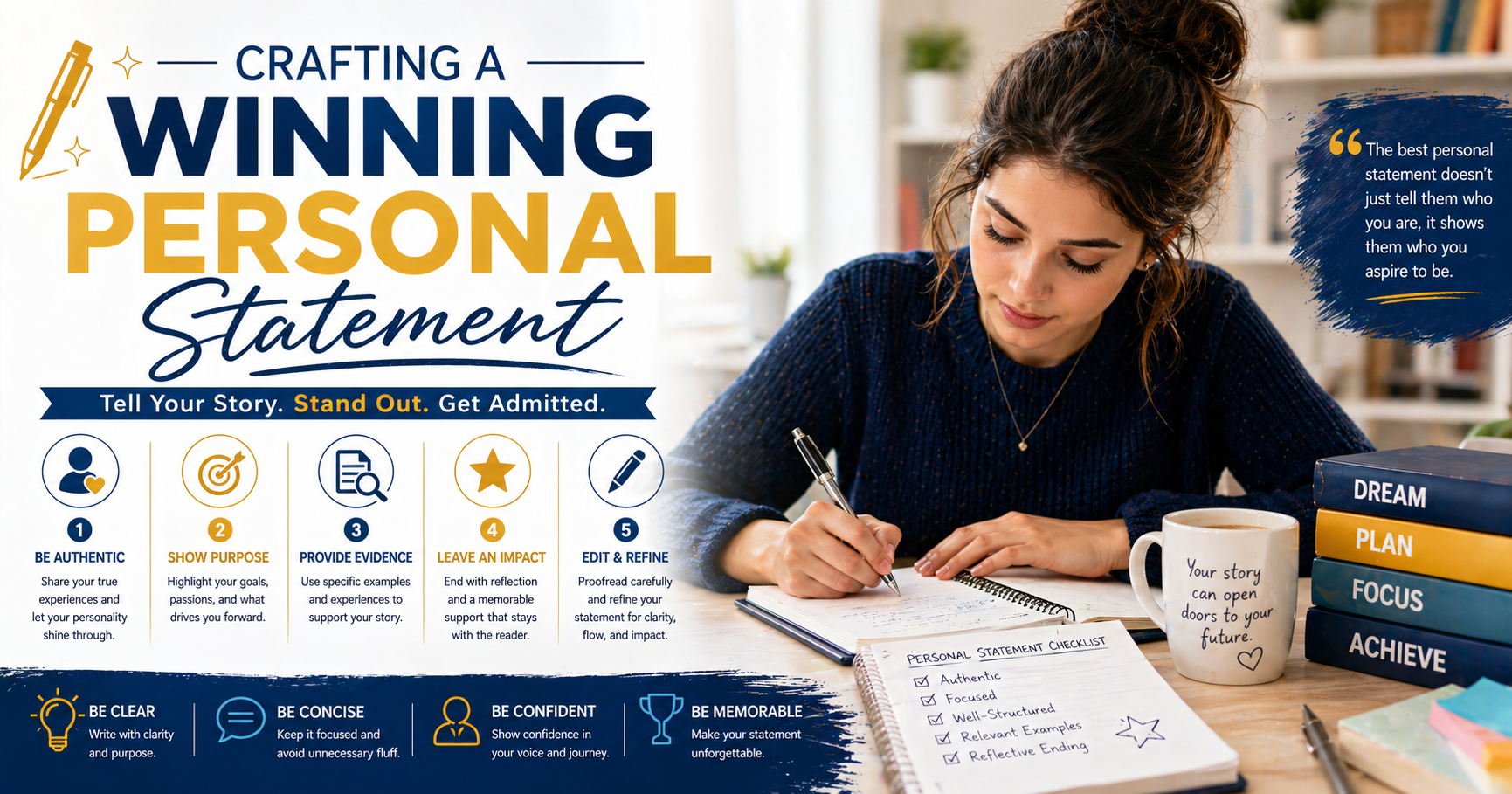
The personal statement is more than just a writing sample; it’s your one chance to speak directly to the admissions committee, share your story, and show them who you are beyond the numbers.
For many applicants, this is the most daunting part of the entire process. How do you condense your life, ambitions, and personality into just a few hundred words? It requires a delicate balance of introspection, strategic storytelling, and impeccable writing. While grades and test scores provide a snapshot of your academic capabilities, your personal statement offers a window into your character, resilience, and potential to contribute to their campus community.
This guide is designed to demystify the process. We'll break down the essential components of a memorable essay, from initial brainstorming to final polishing, helping you craft a statement that is authentic, compelling, and uniquely yours. Let's transform that blank page into a powerful narrative that can make all the difference.
Understanding Your Prompt (And Yourself)
Before you can write a single word, you must do two things: decode the prompt and engage in serious self-reflection. Application prompts, whether specific or open-ended like the Common App's, are designed to uncover specific qualities. Are they asking about a time you faced a challenge? Your passions? A moment of growth? Break down the question and identify the core values they are searching for, such as leadership, curiosity, or resilience.
Next, look inward. Brainstorm pivotal moments, experiences, and passions that have shaped you. Don't just list achievements from your resume. Think about smaller, more personal stories. What makes you tick? What challenges have you overcome? What ideas excite you? The goal isn't to find the most dramatic story, but the one that most authentically reflects your character and connects to the prompt. This foundational work is the key to an essay that feels genuine and insightful.
The Authenticity Rule: Admissions officers read thousands of essays. They can spot a fabricated or exaggerated story instantly. The most powerful statements come from genuine reflection on real experiences.
Structuring Your Narrative for Maximum Impact
A winning personal statement is not a list of accomplishments; it's a story. The best stories follow a clear and compelling structure. Start with a powerful "hook"—an engaging opening sentence that grabs the reader's attention and introduces the central theme or moment. Avoid clichés like "I've always wanted to be a doctor." Instead, drop the reader directly into a scene or a compelling thought.
From there, build your narrative. Provide the necessary context for your story, describe the situation or challenge you faced, and then—most importantly—reflect on what you did, what you learned, and how you grew. The "so what?" is critical. Your experience is the vehicle, but your reflection is the destination. Conclude by connecting your growth to your future aspirations, specifically how you will contribute to the university or program you're applying to. This demonstrates foresight and a clear sense of purpose.
The "Do's" and "Don'ts" of Personal Statement Writing
Beyond structure, the execution matters. One of the most common pieces of advice is "show, don't tell." Instead of saying "I am a dedicated student," describe a specific time you stayed late to perfect a project, demonstrating your dedication through action. Use vivid, sensory language to paint a picture and immerse the reader in your experience. This makes your essay more engaging and your claims more believable.
Conversely, there are several pitfalls to avoid. Steer clear of clichés and overly generic statements. Your essay should sound like you, not a template. Don’t simply rehash your resume in paragraph form; the committee already has that information. Avoid negativity, blaming others, or making excuses. Finally, never lie or exaggerate. The risk of being discovered is high, and the consequences are severe. Focus on telling your true story in the most compelling way possible.
"I had a powerful story but couldn't find the right words. The writer I worked with helped me structure my thoughts and articulate my experience in a way that was still 100% me. I truly believe it’s what got me into my dream school."
How It Works
Polishing Your Draft to Perfection
Once you have a solid draft, the work isn't over. Editing and revision are what separate a good essay from a great one. Step away from your draft for a day or two to get a fresh perspective. Read it aloud to catch awkward phrasing and check the flow. Scrutinize every sentence: Is it concise? Is it impactful? Does it add value to your story? Cut any word, sentence, or paragraph that doesn't serve a clear purpose.
Proofread Mercilessly: A single typo or grammatical error can signal carelessness to an admissions officer. Proofread multiple times, and ask trusted teachers, counselors, or professional editors to review it.
Let Your Story Open Doors
Your personal statement is your moment. Work with a professional writer to make sure it shines.